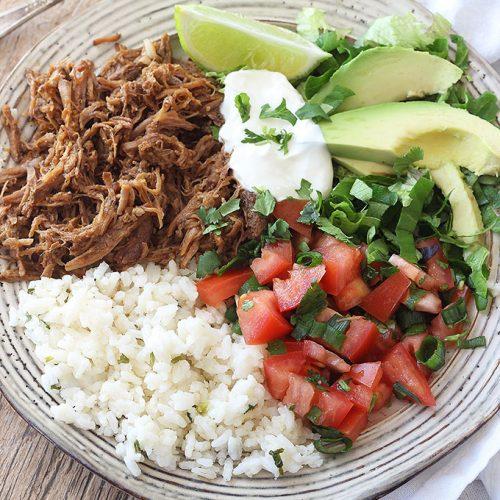
The Quest for Perfect Pork Carnitas: Crispy Edges, Tender Core
Few dishes capture the heart and palate quite like authentic pork carnitas. Imagine succulent, fall-apart tender shredded pork, each strand infused with bright citrus and aromatic spices, then kissed by high heat to create irresistible golden-brown, crispy edges. This isn't just pulled pork; it's a symphony of textures and flavors that elevates any meal. Whether tucked into warm tortillas for tacos, piled high in a burrito bowl, or simply savored straight from the tray, mastering pork carnitas at home is a culinary triumph that's surprisingly achievable.
For too long, restaurant-quality carnitas felt like a distant dream, reserved for skilled chefs. But with the right techniques and a few crucial insights, you can recreate that magic in your own kitchen, filling your home with an intoxicating aroma that will make mouths water long before the first bite. This comprehensive guide will reveal the secrets to achieving that perfect balance of crispy and tender, exploring two popular and effective methods: oven-baked and slow-cooked. Prepare to transform humble pork shoulder into an unforgettable feast.
Essential Ingredients & Preparations for Unforgettable Carnitas
The foundation of truly spectacular pork carnitas lies in selecting the right ingredients and preparing them with care. While the process is straightforward, paying attention to these details will make all the difference between good and truly great carnitas.
The Star: Pork Shoulder (Pork Butt) is Non-Negotiable
When it comes to pork carnitas, the cut of meat is paramount. Forget lean cuts like pork loin; they simply won't deliver the succulence and richness required. Your go-to must be pork shoulder, often labeled as pork butt (despite coming from the upper shoulder, not the rear). This cut boasts the ideal ratio of fat and connective tissue. As it cooks low and slow, the fat renders, basting the meat and keeping it incredibly juicy, while the connective tissues melt into gelatin, creating that signature fall-apart tenderness.
- Why it works: The generous marbling and connective tissue in pork shoulder are key to its luscious texture. Leaner cuts will result in dry, stringy pork.
- Time-saving tip: While a whole pork shoulder works, cutting it into 2-3 inch large chunks before cooking significantly reduces the cooking time without sacrificing flavor or tenderness. This also allows for more surface area to absorb the delicious seasonings.
Citrus Infusion: Oranges, Limes, and Even Pineapple
Citrus isn't just for brightness; it's a vital tenderizer and flavor enhancer in pork carnitas. The acidity helps to break down the meat fibers, contributing to that melt-in-your-mouth texture, while also imparting a distinctive, fresh zest.
- Orange and Lime: These are the classic duo. Use fresh juice, but here's a crucial tip from seasoned chefs: don't discard the spent citrus halves! Toss them directly into the cooking pot with the pork. As they slowly cook, they release additional aromatic oils and a more profound, nuanced citrus flavor than just the juice alone. Trust us, this simple step is a game-changer.
- Pineapple (Optional but Recommended): Some recipes, like Dr. Davinah's Eats, incorporate pineapple. The enzymes in pineapple (bromelain) are natural meat tenderizers, adding an extra layer of succulence and a subtle sweetness that beautifully complements the savory pork and bright citrus. A few chunks or a splash of juice can make a difference.
The Spice Symphony: Garlic, Cumin, Oregano, and More
While the pork and citrus form the backbone, the spices provide the soulful depth of flavor. Pork shoulder is a robust cut, capable of holding a substantial amount of seasoning, so don't be shy!
- The Core Rub: A simple yet powerful combination often includes salt, black pepper, ground cumin (for earthy warmth), and dried oregano (marjoram is a great substitute if you prefer a slightly sweeter note).
- Adding Kick: Red pepper flakes can be added for a subtle warmth or a more pronounced spicy kick, depending on your preference.
- Aromatics: Fresh garlic cloves, smashed or minced, are often cooked alongside the pork, infusing the liquid and meat with their pungent aroma.
- Season Generously: Remember, under-seasoned carnitas will taste flat. Distribute the rub evenly over all surfaces of the pork chunks to ensure every bite is bursting with flavor.
Method Mastery: Oven-Baked vs. Slow Cooker Carnitas
The beauty of pork carnitas is that you can achieve outstanding results using different cooking methods, each with its own advantages. Both promise incredibly tender pork, but they diverge slightly in how they achieve those coveted crispy edges.
The Oven Method: Unlocking Crispy Gold
The oven-baked method, championed by many, including Jo Cooks, is revered for its ability to create both tender interior and direct, consistent crisping without an extra step.
- Preheat and Season: Start by preheating your oven to a low temperature, typically around 300°F (150°C). Season your pork chunks generously with your dry rub.
- Sear (Optional but Recommended): For an extra layer of flavor and color, quickly sear the pork chunks in a hot, oven-safe pot or Dutch oven on the stovetop until browned on all sides. This step builds a beautiful fond (the browned bits at the bottom) that adds complexity.
- Low and Slow Braise: Transfer the pork to an oven-safe pot (if not already seared in one). Add your citrus juice, spent citrus halves, garlic, and enough liquid (often water or broth, and sometimes a splash of soda like cola for added caramelization) to partially submerge the pork. Cover tightly and bake for 3-4 hours, or until the pork is fork-tender and easily shreds. The low temperature slowly breaks down the tough fibers, rendering the fat and creating incredible tenderness.
- Shred and Crisp: Carefully remove the pork from the liquid (reserving the liquid!). Shred the pork using two forks directly in the pot, or transfer it to a baking sheet. Ladle a few spoonfuls of the reserved cooking liquid over the shredded pork to keep it moist and infuse it with even more flavor. This liquid is essential "flavor insurance" and helps prevent drying during the crisping phase.
- The Broiler's Magic: Spread the shredded pork in a single layer on a baking sheet. Place it under a preheated broiler for 5-10 minutes, flipping halfway, until the edges are beautifully golden brown and crispy. Keep a very close eye on it, as broilers can toast quickly!
This method offers excellent control over crisping and often produces a more robust, caramelized flavor profile due to the direct oven heat.
The Slow Cooker Approach: Effortless Tenderness
For those who love the convenience of "set it and forget it," the slow cooker is an ideal tool for achieving wonderfully tender pork carnitas. While it excels at tenderness, you'll need an extra step to get those signature crispy edges.
- Combine and Cook: Season your pork chunks and place them in the slow cooker pot. Add citrus juice, spent citrus halves, garlic, and any other liquids or aromatics. There's usually no need to add much extra liquid beyond the citrus, as the slow cooker traps moisture effectively.
- Long and Slow: Cook on low for 6-8 hours or on high for 3-4 hours, or until the pork is incredibly tender and easily shredded with a fork. The aroma filling your kitchen will be pure bliss!
- Shred and Prepare for Crisp: Carefully remove the pork from the slow cooker, reserving the flavorful cooking liquid. Shred the pork on a baking sheet.
- The Broiler's Magic (Again!): Just like with the oven method, ladle some of that rich cooking liquid over the shredded pork on the baking sheet. This keeps it moist and flavorful. Spread it in a single layer and broil for 5-10 minutes, flipping once, until those beautiful crispy bits form.
The slow cooker method is fantastic for hands-off cooking and ensures maximum tenderness, making it perfect for busy days. Just remember that broiler step is non-negotiable for true carnitas.
The Broiler's Magic: The Crucial Final Step
Regardless of whether you use the oven or slow cooker for the initial braise, the broiler is your best friend for authentic pork carnitas. This is the stage that transforms delicious pulled pork into the textural masterpiece that is carnitas. Spreading the shredded pork in a single layer ensures maximum surface area for crisping, and basting it with that reserved cooking liquid prevents it from drying out while simultaneously infusing it with more flavor as it crisps. Don't skip this!
Beyond the Recipe: Tips for Carnitas Perfection
While the steps are clear, a few extra insights can elevate your pork carnitas from great to absolutely legendary.
- Don't Skimp on the Fat/Liquid: The rendered fat and cooking liquid are liquid gold. A generous ladleful over the shredded pork before broiling is crucial. It keeps the meat juicy, adds flavor, and helps achieve that beautiful caramelization.
- Patience is a Virtue: Low and slow isn't just a suggestion; it's the secret. Rushing the cooking process by cranking up the heat will result in tough, dry pork. Give it the time it needs for the fat and connective tissues to properly render and melt.
- Seasoning Strategy: Start with a robust rub, but don't forget to taste the final product. A pinch more salt, a squeeze of fresh lime, or a sprinkle of chopped cilantro can brighten and balance the flavors just before serving.
- The Power of Leftovers (Meal Prep Gold): One of the greatest aspects of pork carnitas is its incredible versatility and meal-prep potential. Make a large batch once, and you have the foundation for delicious meals all week. From Tacos to Bowls: Versatile Pork Carnitas for Easy Meal Prep showcases just how adaptable this dish can be.
- Serving Suggestions: While classic tacos are a no-brainer (especially with some fajita vegetables and avocado cream sauce), don't limit yourself! Use them in burrito bowls, salads, quesadillas, nachos, sandwiches, or even as a flavorful topping for scrambled eggs. For more detailed preparation, check out Unlock Crispy, Juicy Carnitas: The Ultimate Foolproof Recipe.
Mastering pork carnitas at home is more than just cooking a meal; it's an experience. The incredible aroma that fills your kitchen, the anticipation as the edges crisp, and finally, that first bite of tender, juicy, crispy pork – it's all part of the joy. By understanding the critical role of pork shoulder, the power of citrus, the depth of spices, and the nuanced techniques of both oven and slow cooker methods, you are now equipped to create restaurant-quality carnitas that will impress even the most discerning palates. So, grab your pork shoulder, gather your ingredients, and prepare to embark on a delicious journey that promises crispy, tender perfection in every single bite.
